Rough terrain cranes in Elko, NV
Off-road cranes for gravel pads, mine roads and remote ground where a road crane can't set up. Send the load and describe the access and independent local operators quote you directly.
A quote-request service: we don't own cranes. Your request goes to independent operators who work Elko County.
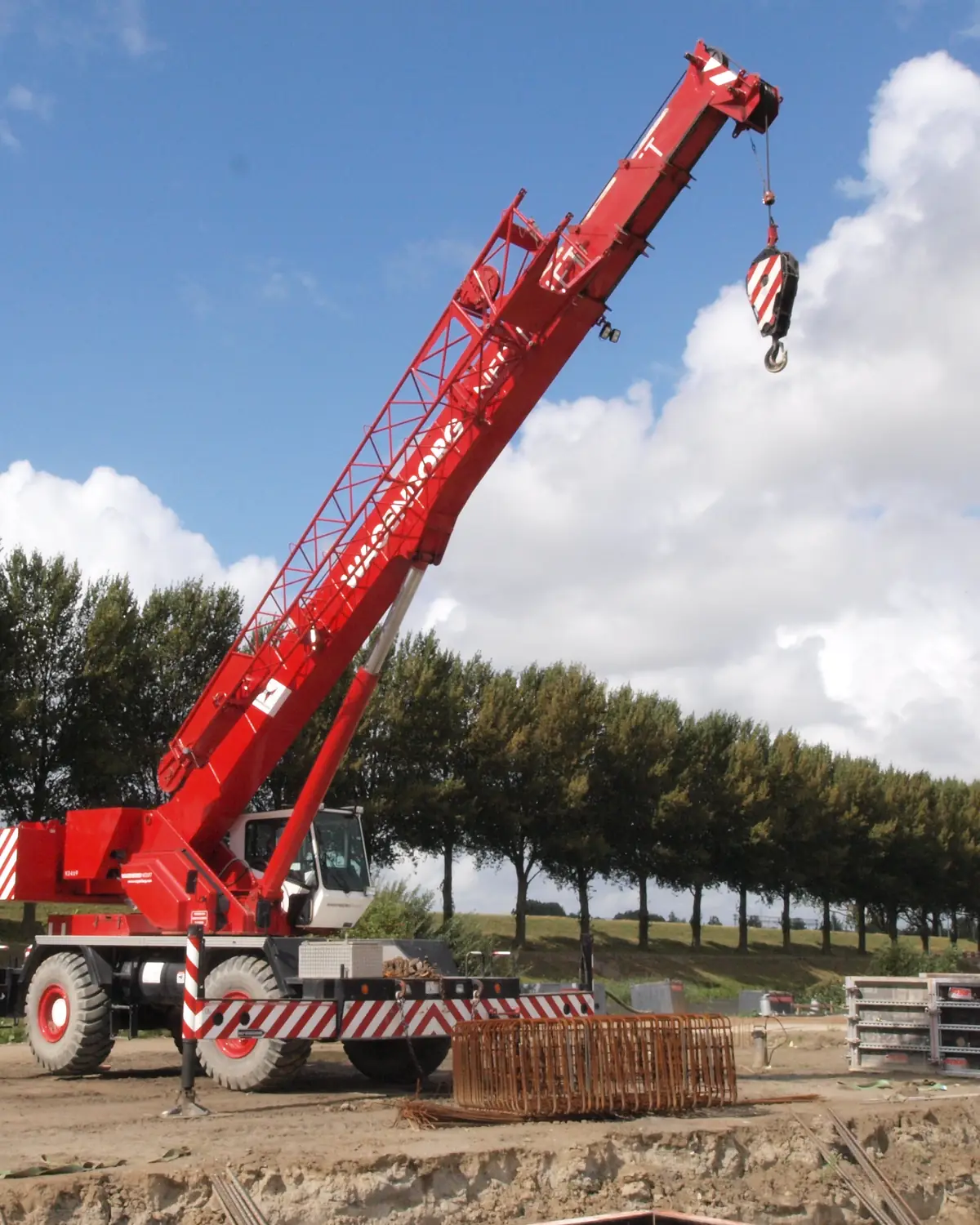
What a rough terrain quote covers
Rough terrain and all-terrain cranes are the machines for ground that isn't pavement. The quote covers the crane, its operator and getting both to a site that may be a long way off the highway.
- The crane and its operator, chosen from the load, the reach and the ground. Ask to see the certification card.
- Getting the crane there. Rough terrain cranes are usually brought to the site; ask how and whether it adds to the price.
- Outrigger pads and set-up on soft or uneven ground.
- Rigging and a signalperson if you ask for them. See rigging and signalperson.
- Travel time to remote ground in the valleys and mountains of Elko County.
Rough terrain or all-terrain
Both go where road cranes struggle. The difference is mostly how they get to the job and how far they travel. No capacities here; the operator picks from the load chart.
| Crane | In plain words | Ask about |
|---|---|---|
| Rough terrain crane | Built for off-road work on pads, gravel and uneven ground. Usually brought to site on a trailer. | Ground firmness and how the crane gets to site |
| All-terrain crane | Drives on the road and works on rougher sites, so it moves between jobs more easily. | Access road width, turning room and pad firmness |
| Truck crane | A crane on a truck chassis, best on firm ground in town and plant yards. | Room for outriggers and overhead clearance |
| Mobile crane | The general term for a crane that moves between jobs; the operator advises which type fits. | Load, reach and ground |
Where off-road cranes get called
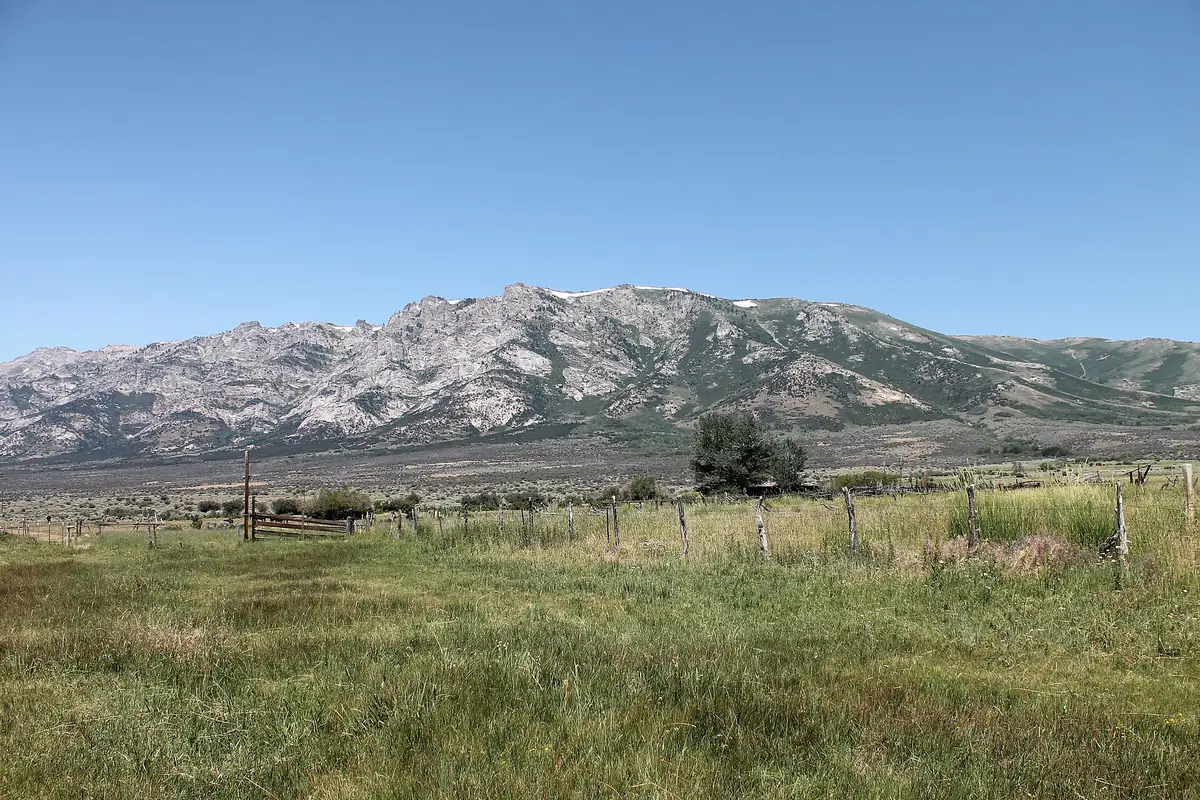
Mine sites, pipeline builds and solar builders are the usual buyers, plus ranch and utility work well away from town. Ruby Valley, Tuscarora and Jiggs are the kind of places where the road ends before the lift does.
- Mine pads and haul roads. See mine site lifts.
- Pipeline and solar construction, where equipment goes in before the road does.
- Ranch and remote sites in Ruby Valley, Tuscarora and Jiggs.
- Setting tanks, pumps and skids on gravel pads.
- Any lift where the ground is too soft or steep for a truck crane.
What to have ready
This is what the operator asks first. Rough numbers are fine; "not sure" is a fine answer and the operator will ask follow-up questions or come and look.
- Load
- What it is, its weight (nameplate or spec sheet) and its size.
- Pick and set points
- Where the load sits now and where it has to land.
- Reach and height
- Distance from the crane to the set point, and the height of the landing spot.
- Ground
- Paved, gravel, dirt or steep. Mention soft ground after rain or snowmelt.
- Access
- Road surface and width, gates, tight turns, bridges or culverts on the way in.
- Power lines
- Overhead lines near the set-up or the swing path.
- Site rules
- MSHA training, NCCCO card, lift plan or insurance certificate, if the site asks.
- Dates
- Start date, hours on site and how many days.
Rules on the job
Ground and set-up
A crane is only as stable as the ground under its outriggers. Gravel and dirt can be soft after rain or snowmelt, and a pad that held last month may not hold today. Tell the operator what the ground is like now. They may ask for outrigger pads or ground prep.
Getting there
Remote sites mean travel time, and travel can be part of the price. Ruby Valley, Tuscarora, Jiggs and the far side of the county will cost more time than Elko or Spring Creek. Give the exact location and the road in.
Certification and site rules
For construction work, OSHA's rule (29 CFR 1926.1427) requires a certified or licensed operator, and NCCCO is the most common route. It is specific to crane type and capacity. Mines add MSHA training; the site sets the rules.
Rough terrain crane questions
What is the difference between a rough terrain and an all-terrain crane?
A rough terrain crane is built for off-road work and is usually brought to the site on a trailer. An all-terrain crane drives on the road and also handles rougher ground. The operator picks between them from your load, reach and access.
Can a rough terrain crane work on soft ground?
It depends on the ground, and soft ground after rain or snowmelt is a real risk. Tell the operator what the surface is like and expect questions about it. They may call for outrigger pads or other preparation.
Will an operator travel to remote parts of Elko County?
Ask in the form. Remote sites in Ruby Valley, Tuscarora, Jiggs and similar areas mean longer travel, which can be part of the price. Operators decide which jobs they take.
What should I tell the operator about the access road?
The surface, the width, tight turns, gates, and anything overhead or underneath, such as power lines, bridges or culverts. The form asks for ground and access, and a short note helps.
Do rough terrain crane operators need certification?
For construction work, OSHA's crane rule (29 CFR 1926.1427) requires a certified or licensed operator, and NCCCO is the most common route. Certification is specific to crane type and capacity, so ask for the card that matches the crane.
How much does a rough terrain crane cost in Elko?
We haven't confirmed an Elko price range and don't publish one. The price depends on the crane, hours on site, getting it there, travel and site requirements. Each operator quotes from the details you send.
Quote an off-road crane
The job type is already picked. Add the load, the site and how to reach you.
We pass your request to independent local operators who quote you directly. Elko Crane Rental does not own cranes or perform lifts.
Other crane services
Operators also cover Spring Creek, Carlin, Wells and the rest of Elko County.